Are you struggling to understand box and whisker plots in your math class? Don’t worry, we’ve got you covered! Box and whisker plots, also known as box plots, are a valuable tool for visualizing data in a clear and concise way.
These plots provide a quick and easy way to identify the central tendency, variability, and skewness of a dataset. By using a worksheet box and whisker plots, you can practice creating and interpreting these plots to improve your data analysis skills.
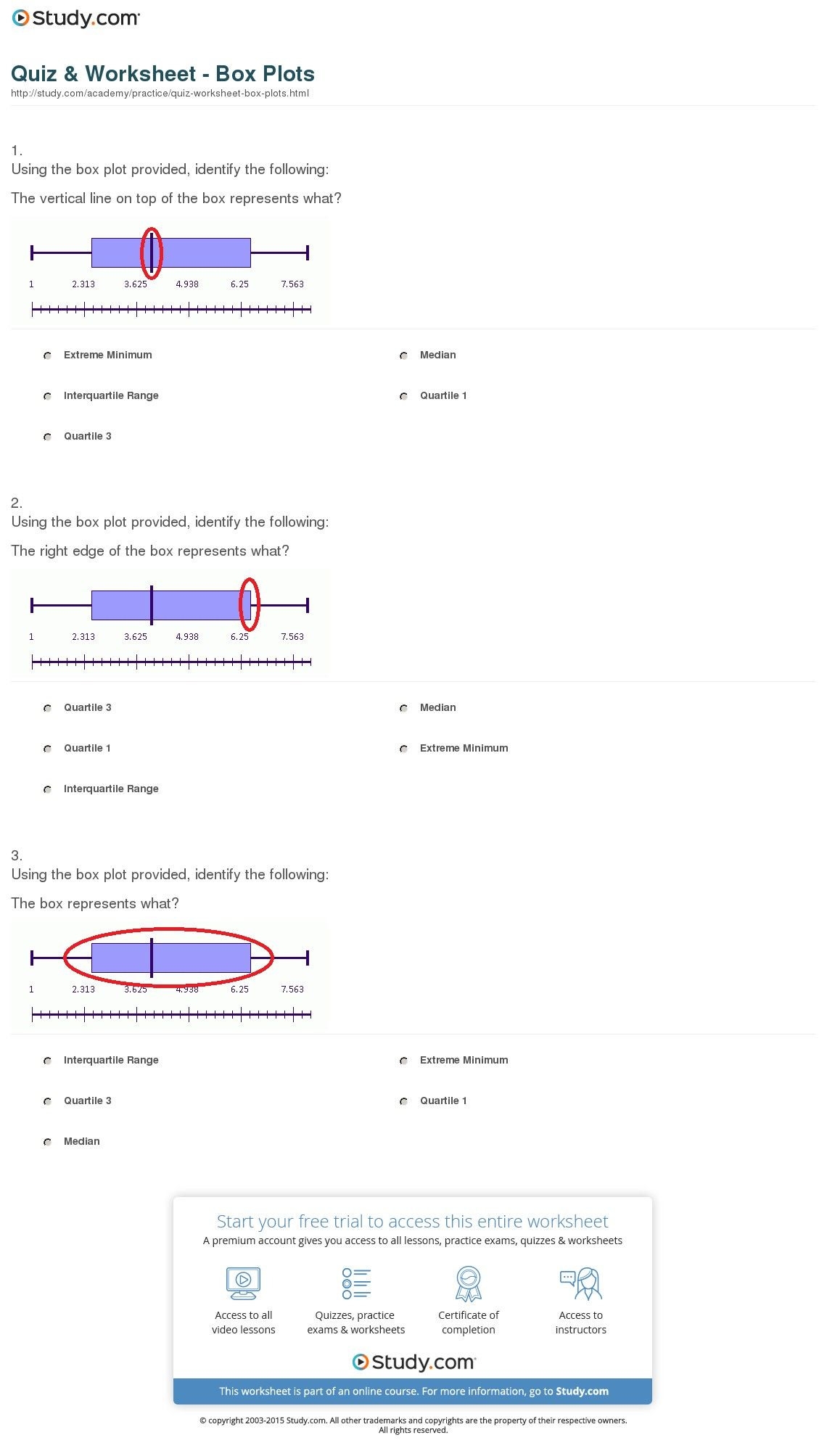
worksheet box and whisker plots
Exploring Box and Whisker Plots with a Worksheet
When working with a worksheet on box and whisker plots, you’ll typically be given a set of data points to organize into a box plot. The plot consists of a box that represents the interquartile range, with lines extending from the box (whiskers) that show the range of the data.
By using the worksheet to create multiple box plots, you can compare different datasets and draw conclusions about their distributions. This hands-on practice will help you develop a deeper understanding of how to interpret box and whisker plots in real-world scenarios.
Remember, practice makes perfect! The more you work with box and whisker plots, the more comfortable you’ll become with interpreting and analyzing them. So grab a worksheet, dive in, and start mastering the art of box plots today!
Now that you have a better understanding of how to use a worksheet for box and whisker plots, you’ll be well-equipped to tackle any data analysis task that comes your way. Keep practicing, stay curious, and never stop learning!
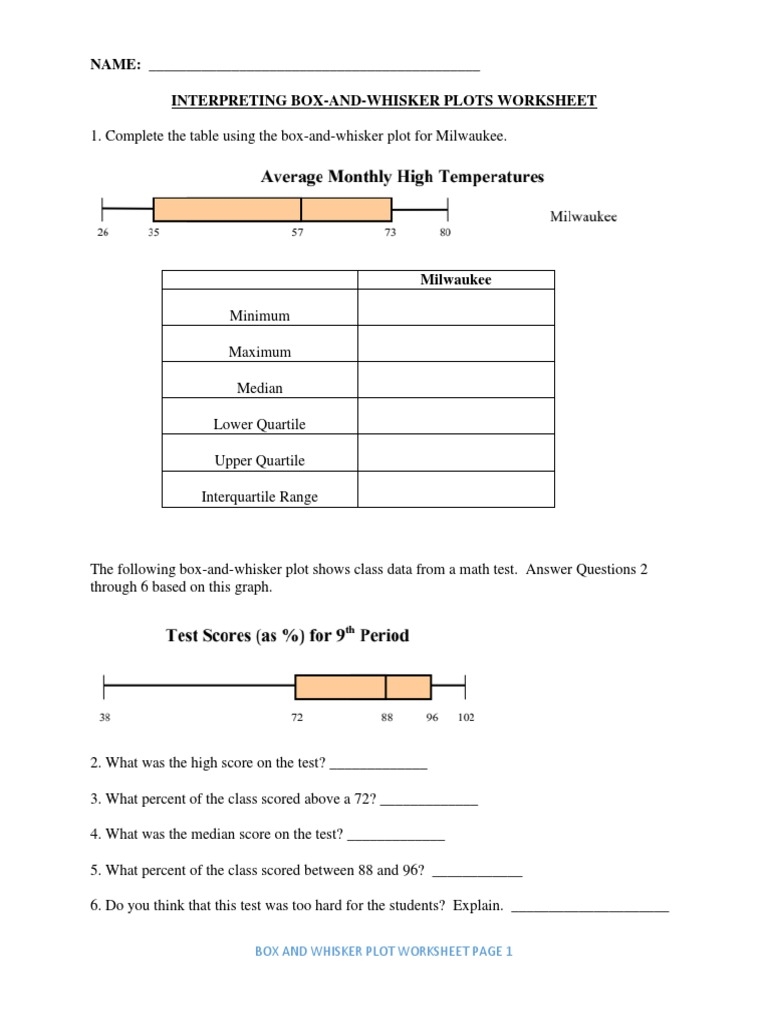
Interpreting Box And Whisker Plots Worksheet PDF Worksheets Library
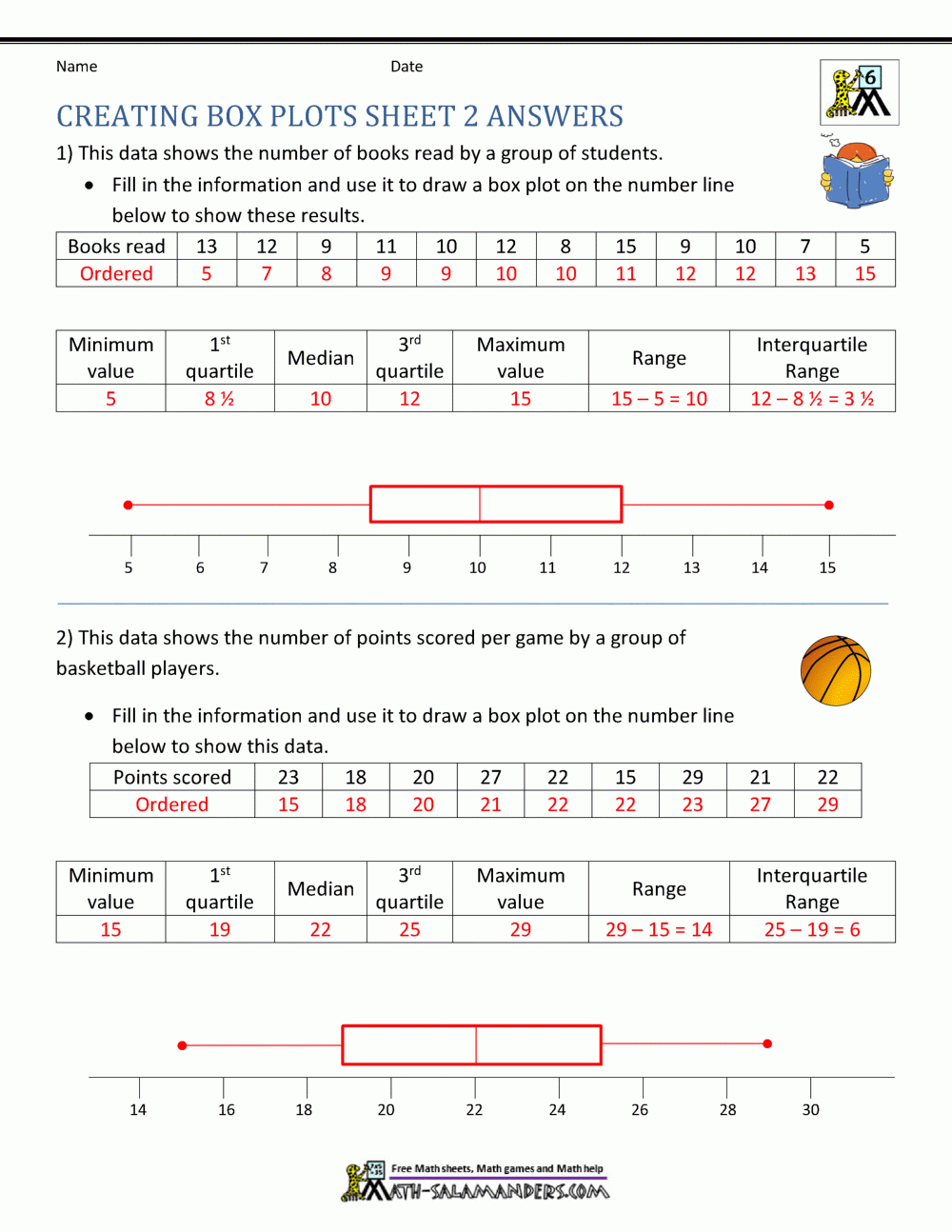
Box Plot Worksheets Worksheets Library
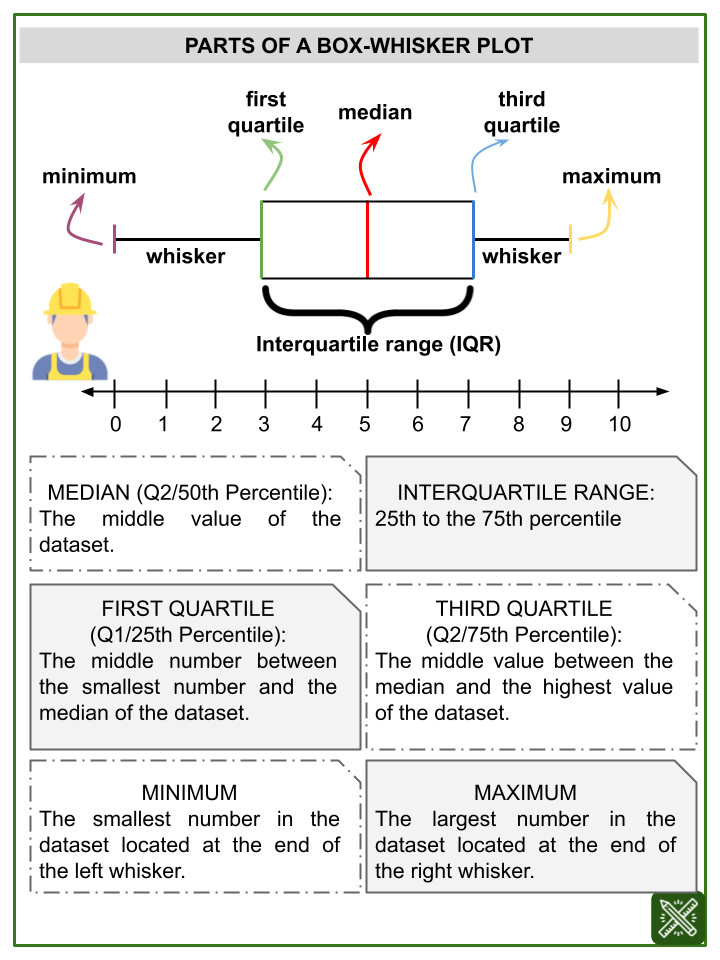
Box Plots Questions Box Plots Worksheets MME Worksheets Library
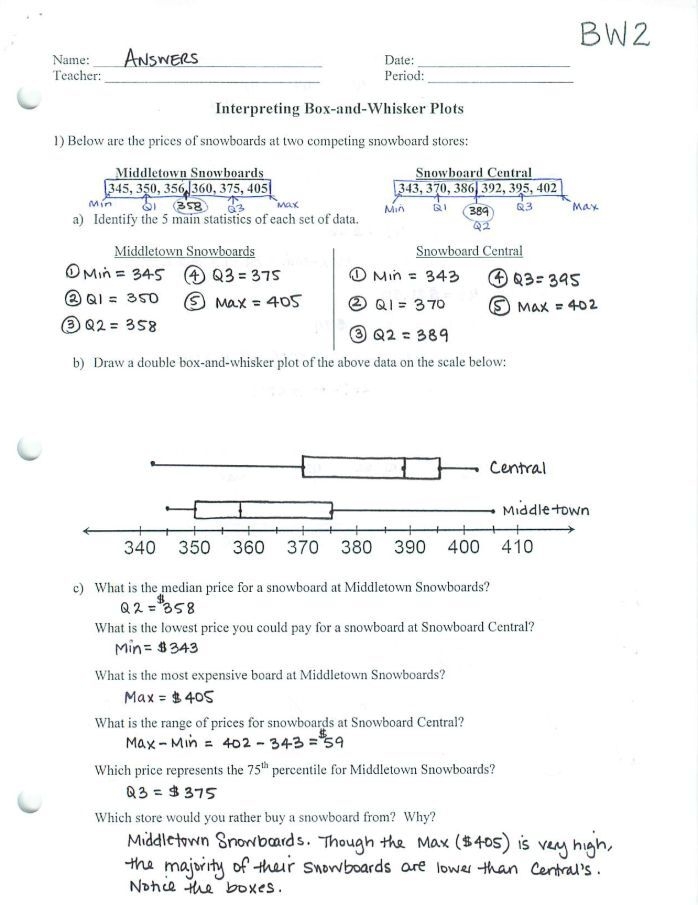
Interpreting Box And Whisker Plots Worksheet BW2 Worksheets Library
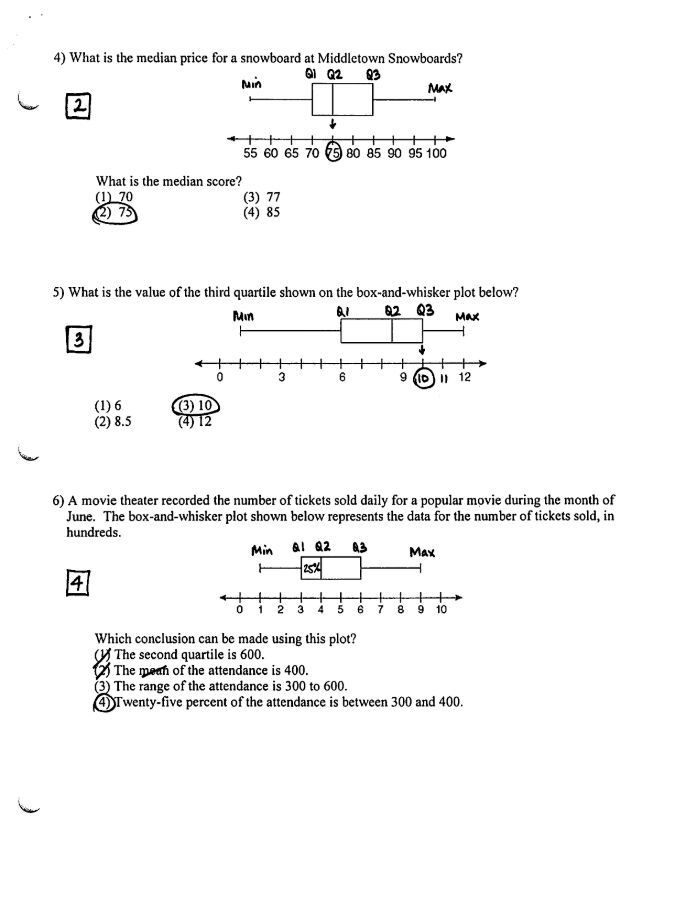
Interpreting Box And Whisker Plots Worksheet BW2 Worksheets Library